
Unlocking the Mysteries of the Universe: A Journey into Astrobiology
Astrobiology, a captivating and interdisciplinary field, invites us to explore the profound questions surrounding the existence and potential of life beyond our home planet. In this blog post, we embark on a journey through the realms of physics, chemistry, astronomy, biology, and more to unravel the intricacies of astrobiology. From the origins and evolution of […]
Cell spinpods are a simple inexpensive suspension culture device to deliver fluid shear stress to renal proximal tubular cells
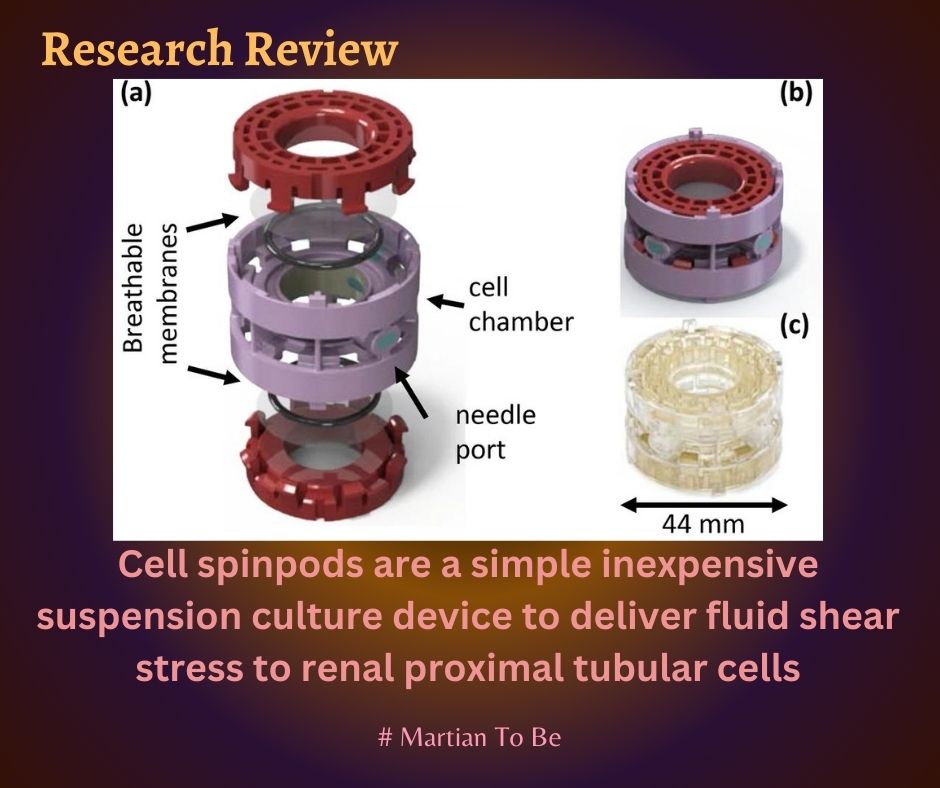
Link to the paper: https://www.nature.com/articles/s41598-021-00304-8 Cell spinpods are a cost-effective suspension culture device designed to deliver physiologically relevant levels of shear stress to renal proximal tubular cells, addressing challenges of expensive vessels and scalability for industrial applications. These small vessels are constructed with self-sealing silicone rubber ports and breathable membranes, allowing for two-fluid modeling of […]
The Impact of Hindlimb Suspension on the Rat Eye: A Molecular and Histological Analysis of the Retina
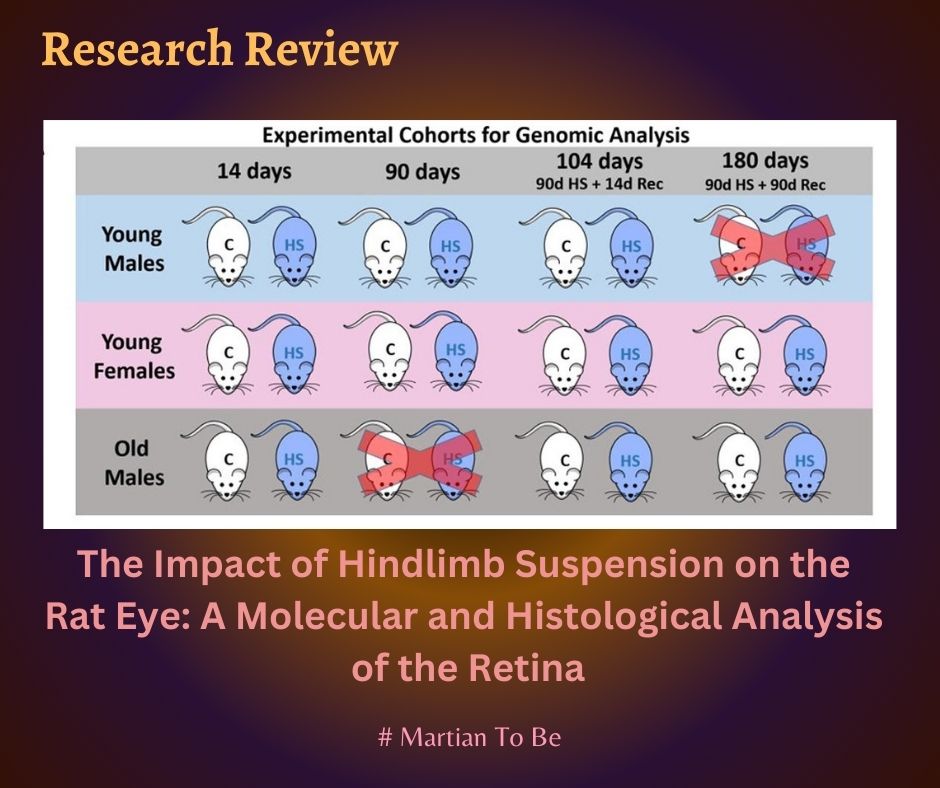
Link to the paper: https://doi.org/10.2478/gsr-2021-0007 Hindlimb suspension in rats led to significant changes in the retina at the molecular and histological levels, affecting retinal structure and function . The study provides insights into the impact of altered gravitational conditions on the eye, highlighting the importance of understanding ocular changes in response to space travel simulations. […]
Long-read sequencing reveals increased occurrence of genomic variants and adenosine methylation in Bacillus pumilus SAFR-032 after long-duration flight exposure onboard the International Space Station

Link to the paper: https://www.researchgate.net/publication/356265705_Long-read_sequencing_reveals_increased_occurrence_of_genomic_variants_and_adenosine_methylation_in_Bacillus_pumilus_SAFR-032_after_long-duration_flight_exposure_onboard_the_International_Space_Station Long-read sequencing was used to analyze Bacillus pumilus SAFR-032 after long-duration flight exposure on the International Space Station . The study revealed an increased occurrence of genomic variants and adenosine methylation in the bacteria post-spaceflight. 🟤Contributions of the Paper 🔹Long-read sequencing was utilized to analyze Bacillus pumilus SAFR-032 post long-duration […]
Spaceflight studies identify a gene encoding an intermediate filament involved in tropism pathways
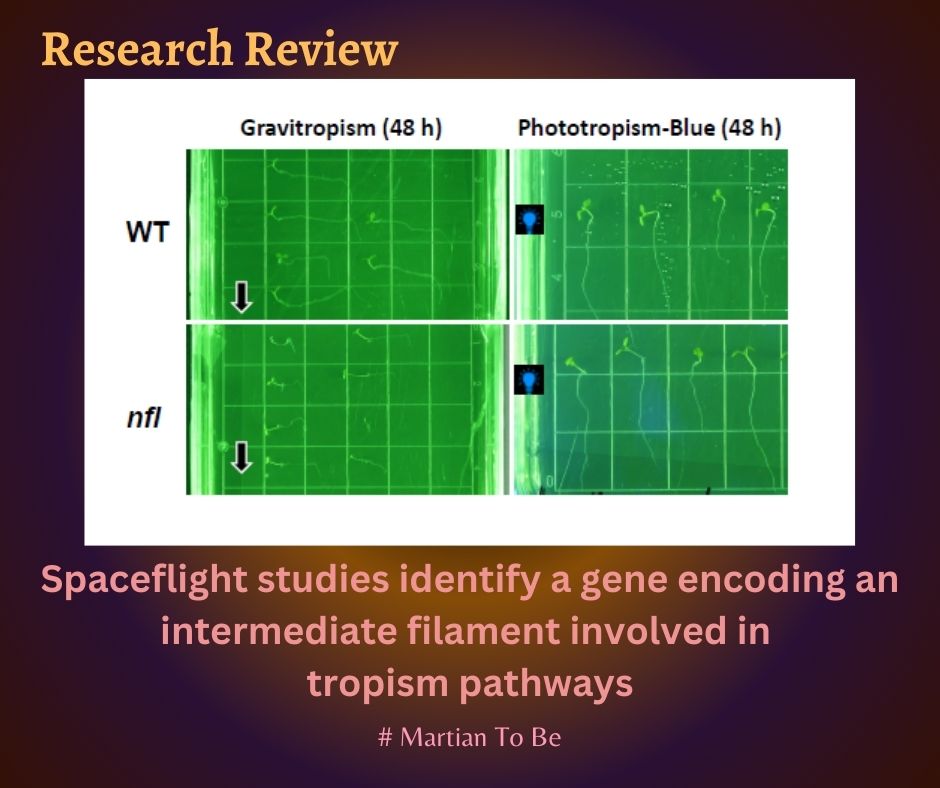
Link to the paper: https://doi.org/10.1016/j.plaphy.2021.12.039 Seedlings grown on the ISS were frozen and returned for analysis via RNASeq. Five genes with significant expression differences related to light and gravity perception were chosen, including one encoding an intermediate filament (neurofilament light protein) involved in phototropism and gravitropism pathways. 🟢Contributions of the Paper 🔹Identification of five genes […]
Genomic Characterization of the Titan-like Cell Producing Naganishia tulchinskyi, the First Novel Eukaryote Isolated from the International Space Station
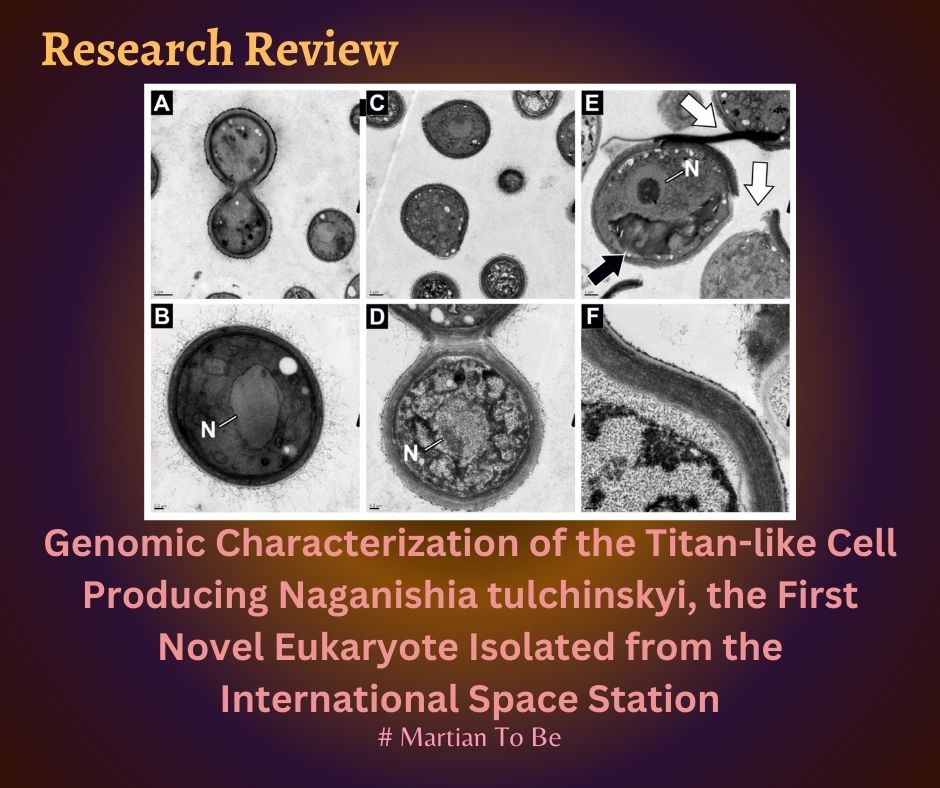
Link to the paper: https://www.mdpi.com/2309-608X/8/2/165 Multiple strains of a novel yeast, Naganishia tulchinskyi, were isolated from the International Space Station (ISS) exhibiting Titan cell-like morphology under simulated microgravity and 5% CO2 conditions. These ISS strains showed distinct morphological differences compared to Earth gravity-grown cells, including larger size, thicker cell walls, altered intracellular morphology, and modifications […]
Detection of Target Genes for Drug Repurposing to Treat Skeletal Muscle Atrophy in Mice Flown in Spaceflight
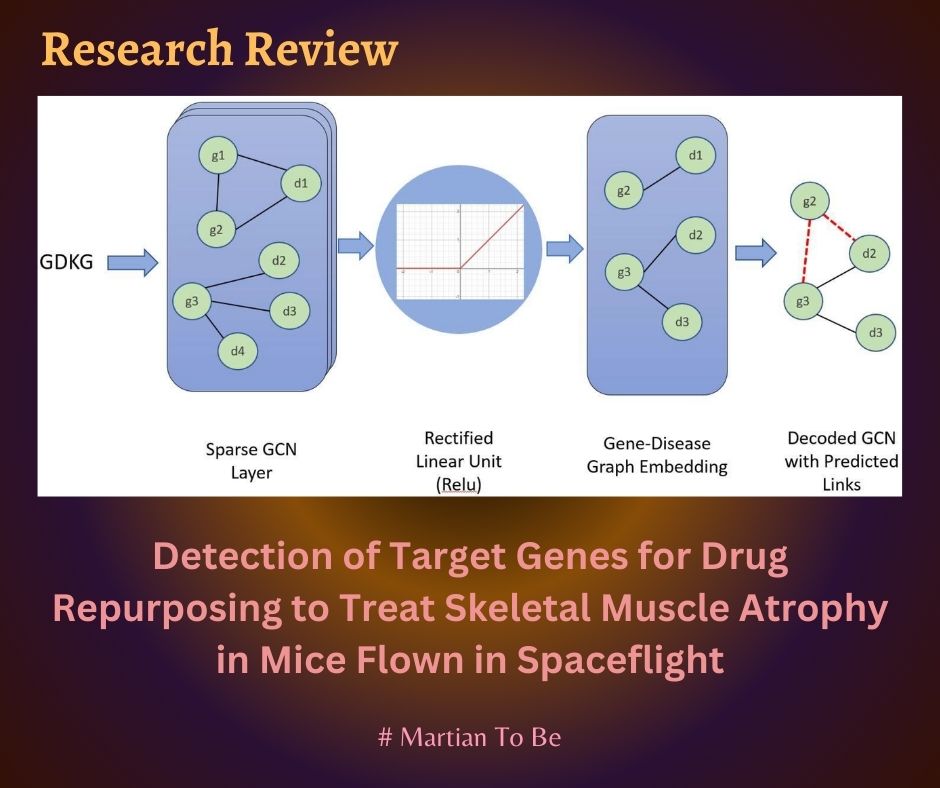
Link to the paper: https://www.mdpi.com/2073-4425/13/3/473 The paper investigates gene networks to repurpose drugs for treating skeletal muscle atrophy in conditions like aging, diabetes, and spaceflights. It identifies key genes causing muscle atrophy and uses advanced algorithms like graph convolutional networks to predict gene-disease associations and select potential drugs for repurposing. 🟣Contributions of the paper 🔸The […]
In vitro relationships of galactic cosmic radiation and epigenetic clocks in human bronchial epithelial cells
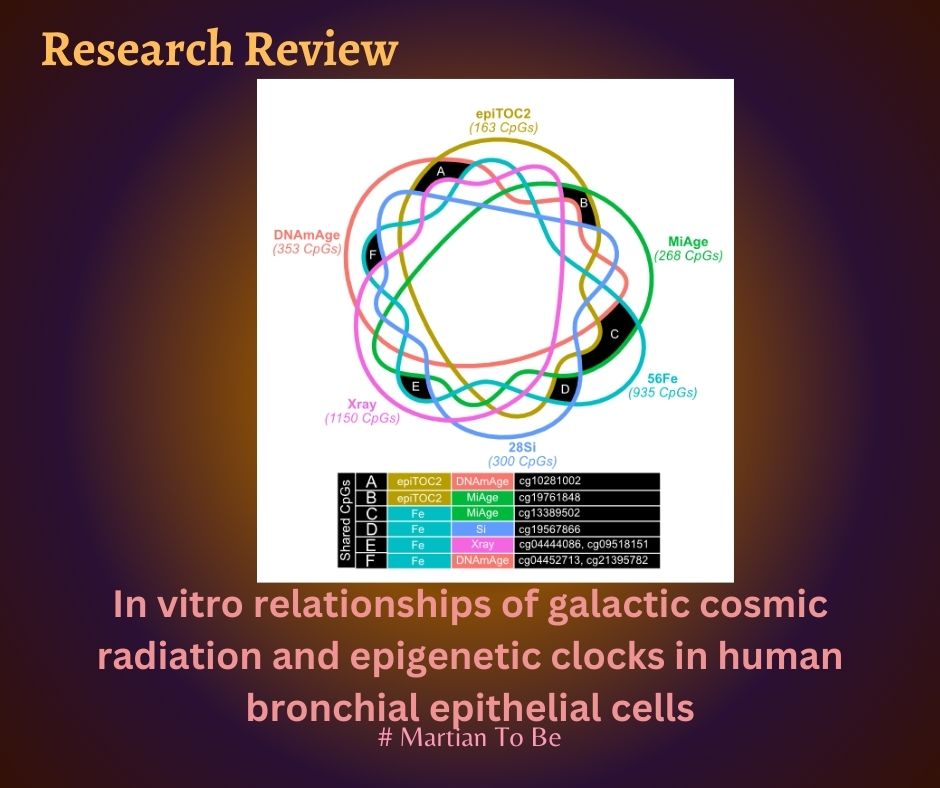
Link to the paper: https://pubmed.ncbi.nlm.nih.gov/35470505/ Ionizing radiation, a known health risk, was studied for its impact on DNA methylation-based markers of biological age in human bronchial epithelial cells. High-LET 56Fe ions were significantly associated with accelerated epigenetic clock epiTOC2, indicating potential utility of epigenetic clocks in monitoring the health effects of galactic cosmic radiation. The […]
Plants grown in Apollo lunar regolith present stress-associated transcriptomes that inform prospects for lunar exploration
Plants like Arabidopsis thaliana can grow in lunar regolith from Apollo missions, but they face challenges in development and show stress morphologies. Plants grown in lunar soils exhibit gene expression related to ionic stresses, similar to reactions to salt, metal, and reactive oxygen species, indicating the need for further understanding and mitigation for efficient use […]
Diacylglycerol kinase is downregulated in the Drosophila Seizure Mutant during Spaceflight
Related Articles Potential of Diacylglycerol Kinase in Biomedical Research Seizures The study investigates the downregulation of diacylglycerol kinase in a Drosophila mutant during spaceflight, potentially impacting longevity . Using omics data from Drosophila reared in microgravity, the research aims to identify critical targets for promoting longevity in space missions, highlighting the importance of understanding gene […]