
Link to the paper: https://doi.org/10.2478/gsr-2021-0007
Hindlimb suspension in rats led to significant changes in the retina at the molecular and histological levels, affecting retinal structure and function .
The study provides insights into the impact of altered gravitational conditions on the eye, highlighting the importance of understanding ocular changes in response to space travel simulations.
⚫Contributions of the Paper
🔸Hindlimb suspension in rats resulted in significant alterations in the retina at both molecular and histological levels, impacting retinal structure and function .
🔸The study sheds light on the effects of modified gravitational conditions on the eye, emphasizing the importance of comprehending ocular changes during simulations of space travel.
🟤Practical Implications of the Paper
🔹Understanding the impact of hindlimb suspension on the rat eye can provide insights into how altered gravitational conditions, such as those experienced in space travel, affect vision and eye health.
🔹This research highlights the importance of monitoring retinal changes in astronauts during extended space missions to ensure their visual well-being.
🔹By analyzing molecular and histological changes in the retina, this study contributes to the development of strategies to mitigate potential eye-related issues in space travelers.
⚫Methods Used in the Paper
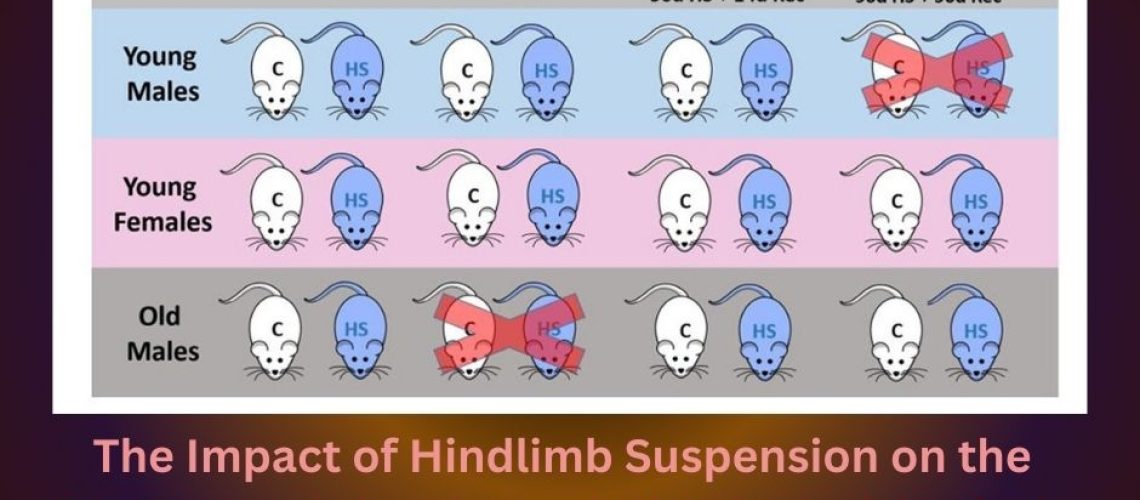
🔸The study involved subjecting rats to hindlimb suspension to simulate microgravity conditions experienced in space.
🔸Molecular analysis of the retina was conducted using techniques such as real-time polymerase chain reaction (RT-PCR) to assess gene expression changes.
🔸Histological analysis of the retina was performed to examine structural alterations in the eye tissue.
🔸Immunohistochemistry was utilized to study specific protein markers in the retina, providing insights into cellular changes.
🔸Data analysis involved comparing results between the hindlimb suspension group and control group to evaluate the impact on the rat eye.
🟤Data Used in the Paper
🔹The research paper utilized data related to Intraocular Pressure (IOP) temporal and demographic analysis. This data was used to quantify temporal changes in IOP by sex (male, female) and age (young, old) cohorts.
🔹Linear mixed-effects models were constructed to analyze the data and understand the variations in IOP based on different demographic factors such as sex and age cohorts.
🔹The data included information on the average IOP among males and females at different time points, allowing for a comprehensive analysis of the changes over time.
🔹The study also focused on differences in rates of change in IOP by cohort, providing insights into how IOP varied among different groups over the course of the study.
🔹The analysis involved generating unadjusted and FDR-adjusted p-values for all comparisons, which helped in determining the statistical significance of the findings derived from the data.
🔹All the analyses and data processing were performed using R 3.6.1 software, ensuring a standardized and reliable approach to handling the data.
⚫Results of the Paper
🔸The study revealed that hindlimb suspension (HS) in rats led to significant alterations in the retina, indicating a potential impact of this treatment on ocular health.
🔸Analysis of gene expression patterns in the retina showed transcriptional upregulation and downregulation of specific genes, highlighting molecular changes induced by HS.
🔸The research identified key genes and their relationships using Ingenuity Pathway Analysis software, illustrating the complex interactions within the retina in response to HS.
🔸Notably, estrogen receptor α and β did not show significant regulation across all groups and conditions, suggesting a need for further investigation into the role of sex steroids in retinal responses to HS.
🔸Three main factors were recognized as contributors to the varying responses of the retina to HS: dosage of eIF2γ, local sexual steroid environment, and alterations in steroid homeostasis due to testosterone suppression induced by HS.
🔸The data analysis also involved quantifying intraocular pressure (IOP) changes over time by sex and age cohorts, providing valuable insights into demographic variations in ocular health parameters.
🔸Statistical analyses, including linear mixed-effects models and p-value calculations, helped in understanding the significance of the observed changes in IOP among different demographic groups.
🔸The study’s results underscore the complex interplay between molecular, histological, and demographic factors in the rat retina under conditions of hindlimb suspension, shedding light on potential implications for ocular health in altered gravity environments.
🟤Conclusions from the Paper
🔹The study’s findings indicate that hindlimb suspension (HS) in rats triggers significant molecular and histological changes in the retina, with implications for ocular health.
🔹Various pathways affected by HS treatment include retinal vasculature, oxidative stress, inflammation, retinal pigment epithelium (RPE) function, and glial activation, all potentially contributing to retinal senescence.
🔹Gender-specific gene expression patterns suggest differences in susceptibility or resilience to stressors between males and females, with significant genes linked to cytoprotection, eye development, and function.
🔹The study highlights the importance of considering age and sex when interpreting the effects of stress on the retina, as these factors influence the response to stressors like hypoxia, mechanical stress, and inflammation.
🔹The complex interplay of factors such as eIF2γ dosage, sexual steroid environment, and testosterone suppression due to HS contributes to the varied responses of the retina to hindlimb suspension.
🔹Analysis of intraocular pressure (IOP) changes by sex and age cohorts provides valuable insights into demographic variations in ocular health parameters, emphasizing the need for personalized approaches in understanding retinal responses to stressors.
⚫Limitations of the Paper
🔸The study focused on the impact of hindlimb suspension on the rat eye, limiting the generalizability of the findings to other species or models .
🔸The research primarily examined molecular and histological changes in the retina, potentially overlooking broader systemic effects on the visual system or other organs.
🔸The sample size and duration of the study may have influenced the comprehensiveness of the results, as larger cohorts or longer observation periods could reveal additional insights.
🔸While the study considered gender-specific gene expression patterns, further investigation into the underlying mechanisms driving these differences could enhance the understanding of sex-related responses to stressors.
🔸The paper acknowledges the complexity of factors influencing retinal responses to stress, but additional research is needed to elucidate the specific interactions and pathways involved.
🔸The study did not explore the long-term implications of hindlimb suspension on ocular health, leaving room for future investigations into chronic effects or potential reversibility of observed changes.
🟤Future Works Suggested in the Paper
🔹Investigating the effects of hindlimb suspension on other parts of the visual system, such as the optic nerve and visual cortex, to gain a more comprehensive understanding of the impact .
🔹Exploring the potential mechanisms underlying the changes observed in the retina after hindlimb suspension, including the role of oxidative stress, inflammation, and neurotrophic factors.
🔹Conducting longitudinal studies to assess how the alterations in the retina evolve over time following hindlimb suspension, providing insights into the long-term effects of simulated microgravity on ocular health.
🔹Examining the therapeutic interventions that could mitigate the negative effects of hindlimb suspension on the retina, such as antioxidant treatments or anti-inflammatory agents, to develop strategies for protecting astronauts’ visual health during space missions.
🔹Utilizing advanced imaging techniques, such as optical coherence tomography and electroretinography, to further characterize the structural and functional changes in the retina induced by hindlimb suspension, enhancing our understanding of the underlying pathophysiology.
We value your ideas and feel free to comment below.
Martian To Be follow us 🤩
#mars #hindlimsuspension #retinal
