
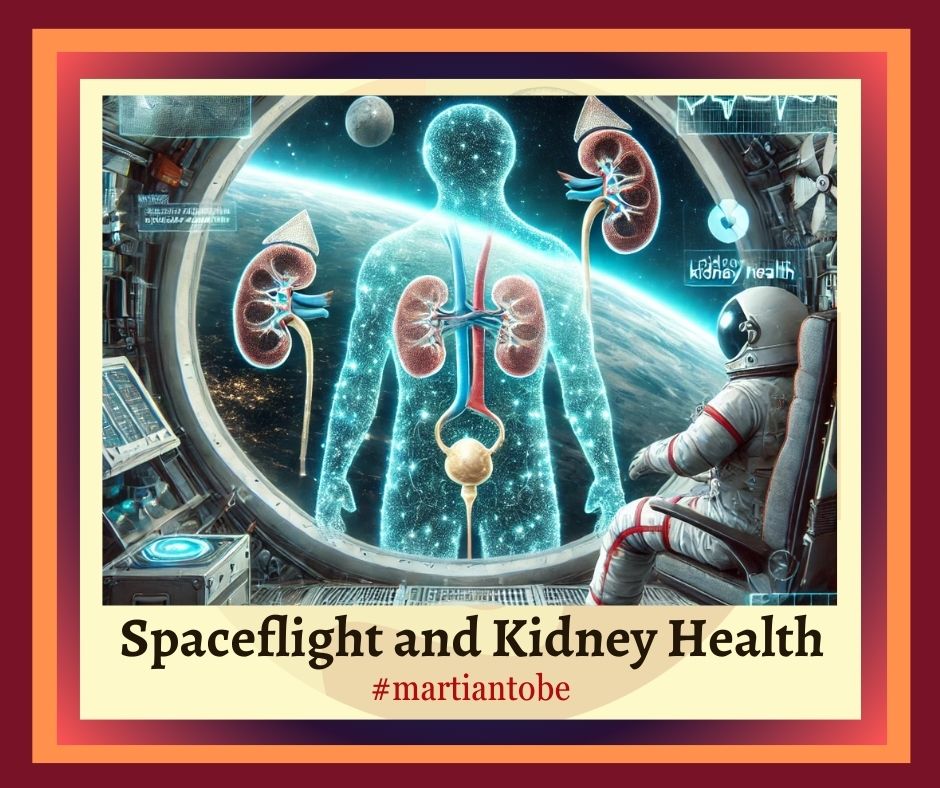
🚀 Why Spaceflight Challenges Human Health
Space is a uniquely hostile environment for the human body. In the absence of Earth’s gravity, astronauts experience a wide range of physiological changes — from muscle loss and weakened bones to shifts in fluid distribution and immune function. Among the lesser-known but critically important concerns is kidney health.
The kidneys are vital organs responsible for filtering waste, regulating fluids and electrolytes, and maintaining blood pressure. In space, however, the conditions that help them function optimally on Earth are disrupted. Understanding how spaceflight affects kidney function is essential for keeping astronauts safe on long missions — and it may even reveal insights useful for health care on Earth.
🧬 What Happens to Kidneys in Space?
There are several ways microgravity and the space environment can impact the kidneys:
1. Fluid Redistribution
In microgravity, body fluids shift upward toward the head, reducing blood volume in the lower body and increasing pressure in the upper body. This affects the kidneys’ ability to regulate blood volume and urine output.
2. Bone Loss and Calcium Release
Astronauts experience bone density loss during space missions, which releases calcium into the bloodstream. Elevated calcium levels can lead to the formation of kidney stones, one of the most serious and painful risks during spaceflight.
3. Urine Chemistry Changes
Changes in diet, hydration, and body chemistry result in more concentrated urine, increasing the likelihood of calcium oxalate crystal formation — a primary cause of kidney stones.
4. Oxidative Stress and Radiation
Exposure to cosmic radiation and altered oxygen metabolism in space can stress kidney cells and potentially impair their function, especially with longterm exposure.
🧪 Why Kidney Stones Are a Serious Threat in Space
On Earth, kidney stones can be treated with medications, fluids, or surgery. In space, however, medical interventions are extremely limited. A kidney stone event could be debilitating for an astronaut and might require an emergency evacuation — an expensive and risky operation during deep space missions.
This makes kidney stone prevention a top priority for space agencies. Countermeasures include:
Staying wellhydrated
Lowsodium and lowoxalate diets
Monitoring calcium and vitamin D levels
Physical exercise to reduce bone loss
🧠 What We’re Learning from Research
Researchers have been studying the effects of space travel on kidneys using animal models, human cell cultures, and astronaut health data. These studies aim to:
Identify early markers of kidney dysfunction in space
Understand how microgravity affects gene expression in kidney tissue
Explore new therapies or supplements to protect renal health
The emerging field of space omics — studying how space conditions affect genes and proteins — is helping scientists understand not just how kidneys react, but why some individuals may be more vulnerable than others.
🌍 Why It Matters on Earth
Kidney health in space may seem like a niche concern, but the lessons learned have implications for us all. Many of the mechanisms affected in space — like oxidative stress, inflammation, and mineral imbalance — also play roles in kidney disease, aging, and chronic illness here on Earth. By studying kidneys in extreme environments, we can better understand how to prevent and treat kidney conditions in everyday life.
🌌 Final Thoughts
Space exploration is pushing the boundaries of science and medicine, and protecting astronaut health is one of the greatest challenges we face. As we aim for longer missions to the Moon, Mars, and beyond, maintaining kidney health in space becomes a crucial piece of the puzzle.
Through continued research, innovative technology, and personalized prevention strategies, we’re getting closer to making space travel safer — not just for astronauts, but for all of us.
Want to learn how cuttingedge research is revealing new kidney health strategies for space? Check out our upcoming deepdive review next!
