
Space exploration has always pushed the boundaries of human knowledge and technological capability. As we venture further into the cosmos, the challenges we face become increasingly complex, requiring innovative solutions and advanced technologies. One such technology that has become indispensable in modern space exploration is computational chemistry. This discipline, which uses computer simulations to model and predict the behavior of chemical systems, is proving to be a powerful tool in overcoming the unique challenges of space.
Understanding Planetary Atmospheres
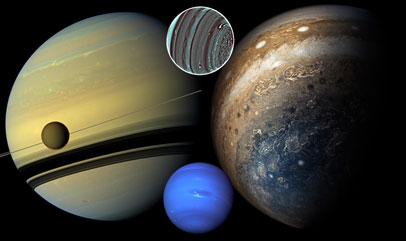
One of the critical applications of computational chemistry in space exploration is the study of planetary atmospheres. By simulating the chemical processes occurring in these atmospheres, scientists can predict their composition, dynamics, and potential for supporting life. For instance, computational models can help in understanding the atmospheric chemistry of Mars, Venus, and the moons of Jupiter and Saturn. These models are essential for designing instruments for space missions and interpreting the data they collect.
On Mars, for example, understanding the chemistry of the atmosphere is crucial for the search for signs of past or present life. Computational chemistry helps predict the behavior of water and other volatile compounds on the Martian surface and in its thin atmosphere. These predictions are vital for designing experiments and developing life-detection instruments.
Developing Materials for Spacecraft
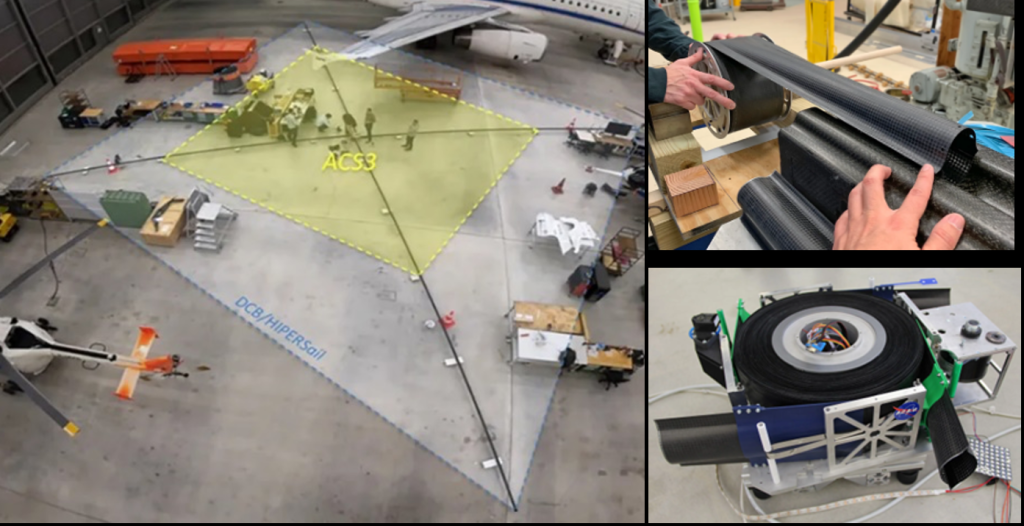
The harsh environment of space demands materials that can withstand extreme temperatures, radiation, and mechanical stress. Computational chemistry plays a crucial role in the design and optimization of these materials. By simulating the atomic and molecular interactions in various materials, scientists can predict their properties and behavior in space.
For example, the development of heat shields for re-entry vehicles benefits greatly from computational simulations. These simulations help in understanding how different materials respond to the intense heat and pressure during re-entry into Earth’s atmosphere. This knowledge is essential for designing heat shields that can protect both crew and equipment.
Life Support Systems
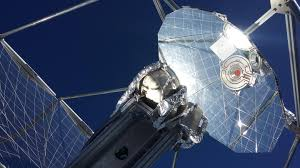
Long-duration space missions, such as those to Mars or beyond, require reliable life support systems that can provide air, water, and food for astronauts. Computational chemistry is used to design and optimize these systems by modeling the chemical processes involved in air and water purification, as well as waste recycling.
One key area of research is the development of efficient systems for converting carbon dioxide, a byproduct of human respiration, back into oxygen. Computational models help in understanding and optimizing the chemical reactions involved in this process, ensuring that life support systems are both effective and energy-efficient.
Astrobiology and the Search for Extraterrestrial Life
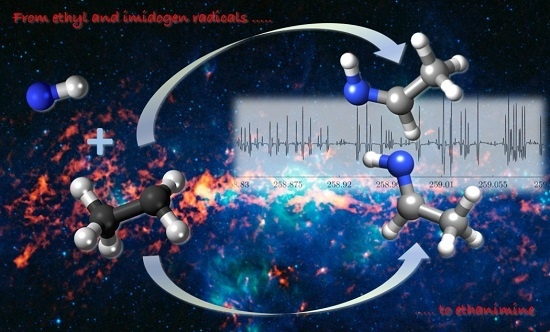
The search for extraterrestrial life is one of the most exciting aspects of space exploration. Computational chemistry aids in this quest by modeling the potential chemistry of life beyond Earth. By understanding how complex organic molecules could form and behave in different environments, scientists can better target their searches for signs of life.
For instance, computational simulations can predict the stability and reactivity of organic molecules in the icy environments of Europa or Enceladus, moons of Jupiter and Saturn, respectively. These simulations guide the design of instruments for future missions that aim to sample and analyze the chemical composition of these moons’ subsurface oceans.
Computational chemistry is revolutionizing space exploration by providing deep insights into the chemical processes that underpin the universe. From understanding planetary atmospheres to developing advanced materials and life support systems, the applications of this technology are vast and varied. As our computational power continues to grow and our algorithms become more sophisticated, the role of computational chemistry in space exploration will only become more prominent, helping us unlock the mysteries of the cosmos and extend our reach further into the stars.
By Isuru Madusanka
