
Space exploration has always fascinated humanity, pushing the boundaries of our scientific understanding and technological capabilities. At the heart of these endeavors lies the often-overlooked field of chemistry. From propelling rockets into space to sustaining life aboard spacecraft, chemistry is an indispensable component of space missions. This article delves into the multifaceted contributions of chemistry to space exploration, highlighting its critical importance across various domains.
1. Propulsion Systems: The Chemical Backbone of Space Travel
Rocket Fuels
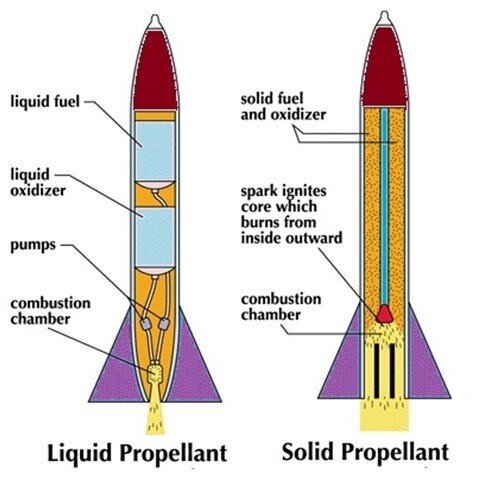
The development of efficient and powerful rocket fuels is grounded in chemistry. Liquid hydrogen and liquid oxygen, commonly used in rocket engines, are selected for their high energy yield and efficiency. Hypergolic fuels, which ignite upon contact, are another example where precise chemical properties are harnessed to achieve reliable propulsion.
Ion Thrusters
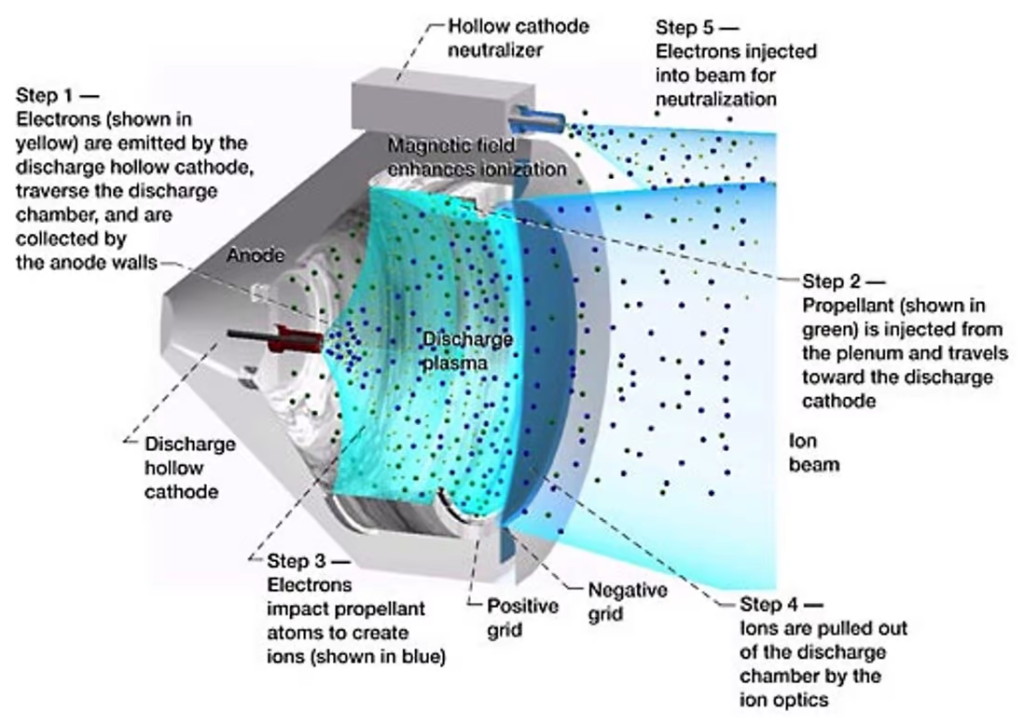
Advanced propulsion technologies, such as ion thrusters, depend on the ionization of elements like xenon. These thrusters provide continuous and highly efficient propulsion, essential for long-duration missions. The underlying chemistry of ionization and optimization of these processes is crucial for enhancing spacecraft performance.
2. Life Support Systems: Ensuring Survival in Space
Oxygen Generation
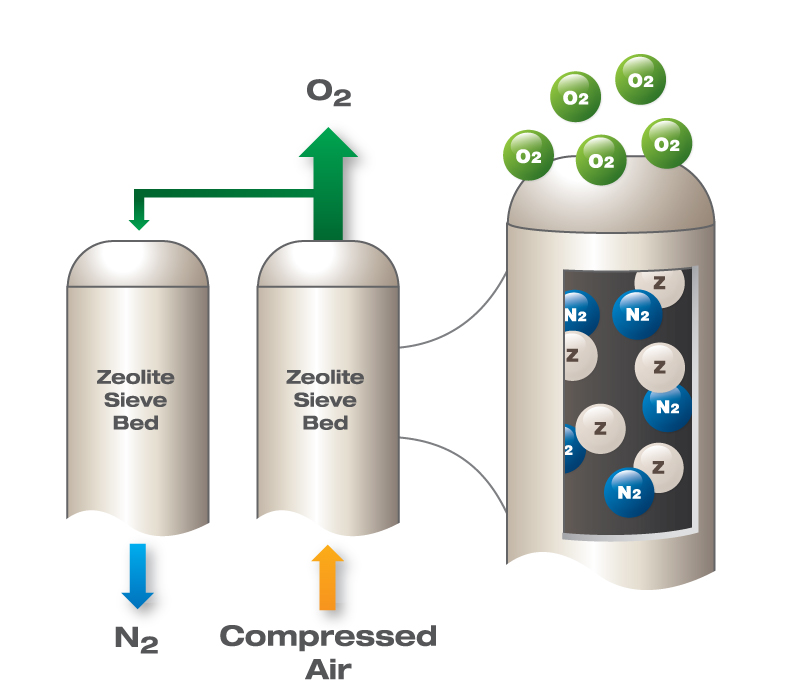
Generating breathable oxygen in space is vital for astronaut survival. The electrolysis of water, a chemical process that splits water into oxygen and hydrogen, is employed to produce oxygen onboard spacecraft. This process is a direct application of chemical principles to sustain life in the vacuum of space.
Carbon Dioxide Removal
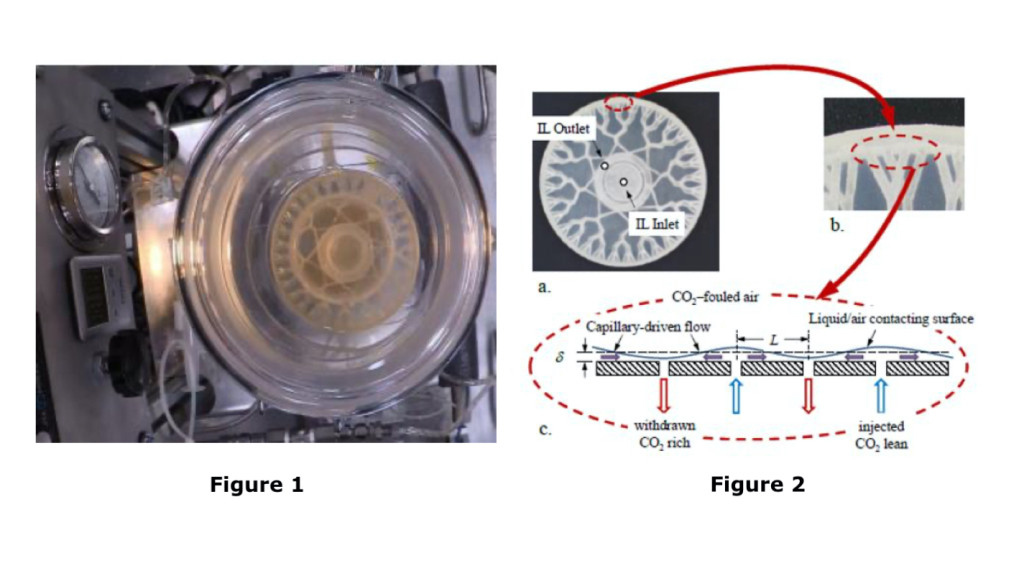
Removing carbon dioxide from the cabin air is another critical task. Chemical scrubbers, often using lithium hydroxide, absorb CO₂, ensuring a safe and breathable atmosphere for astronauts. The choice and efficiency of these chemical scrubbers are pivotal for maintaining air quality.
Water Recycling
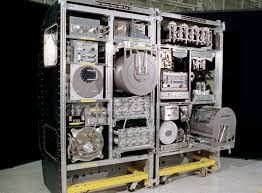
Recycling water in space involves several chemical processes, including filtration, distillation, and chemical treatment. These processes purify water, making it safe for reuse and conserving the precious water supply aboard spacecraft.
3. Materials Science: Building Durable Spacecraft
Spacecraft Materials
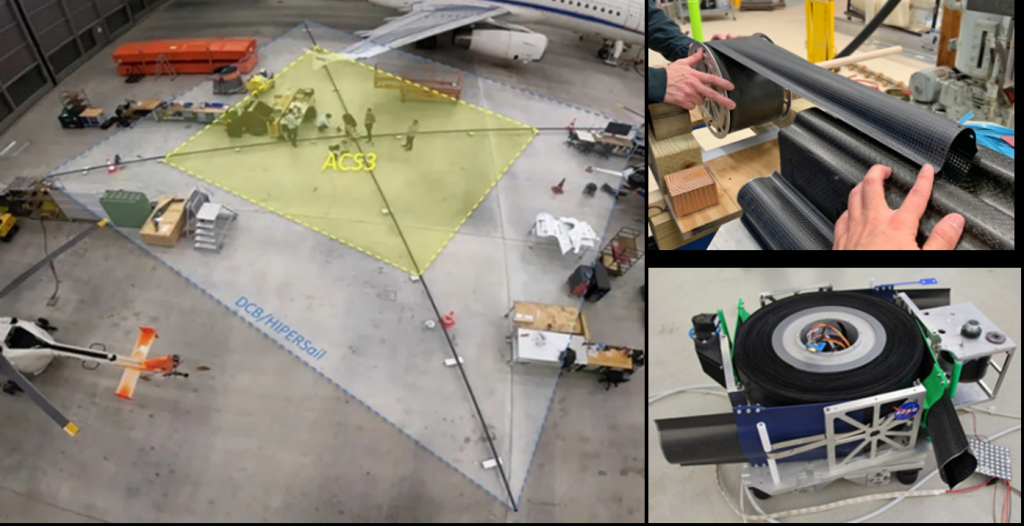
The development of materials that can withstand the extreme conditions of space, such as radiation, temperature fluctuations, and micrometeoroid impacts, relies heavily on chemistry. High-strength composites, heat-resistant coatings, and radiation shielding are all products of advanced chemical engineering.
Protective Coatings
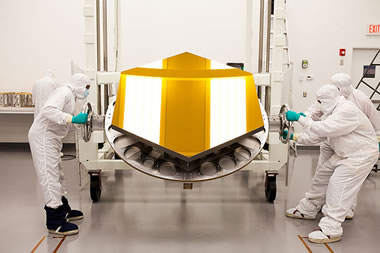
Protective coatings play a crucial role in safeguarding spacecraft from environmental hazards. Anti-corrosion and thermal protection coatings are chemically formulated to endure the harsh conditions encountered during space missions.
4. Planetary Exploration: Unlocking the Secrets of Other Worlds
Soil and Rock Analysis
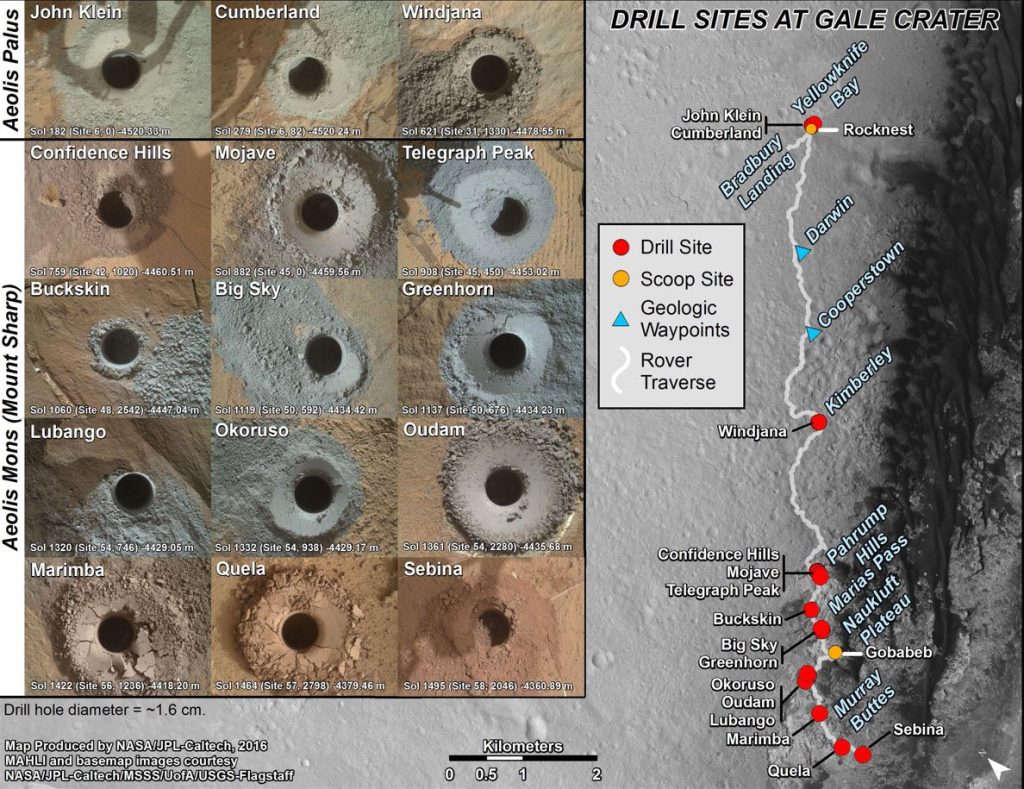
Chemical analysis of extraterrestrial soil and rocks is essential for understanding the composition and history of other planets. Instruments like spectrometers and chromatographs, which operate based on chemical principles, are used to conduct these analyses.
Search for Life
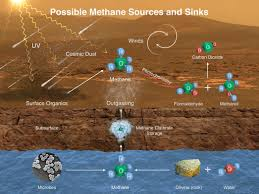
The search for life beyond Earth hinges on detecting organic molecules and biosignatures. Chemistry is fundamental in identifying these potential indicators of life, providing insights into the possibility of life on other planets.
5. Energy Production and Storage: Powering Space Missions
Solar Cells
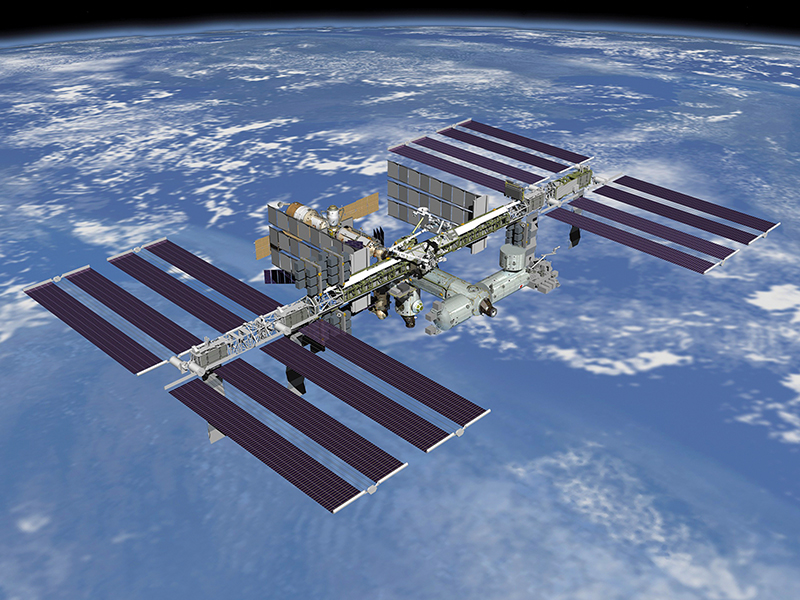
The development of photovoltaic cells for energy generation in space involves sophisticated chemical processes. Optimizing these cells for efficiency and durability is a testament to the importance of chemistry in harnessing solar energy.
Batteries and Fuel Cells
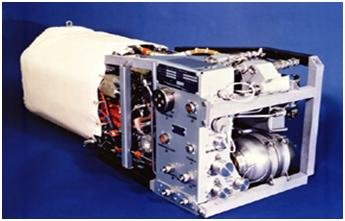
Reliable energy storage is crucial for space missions. Lithium-ion batteries and fuel cells, which rely on electrochemical principles, are used to store and convert energy efficiently. Their performance and safety are deeply rooted in chemical research and development.
6. Health and Medicine: Keeping Astronauts Healthy
Pharmaceutical Stability
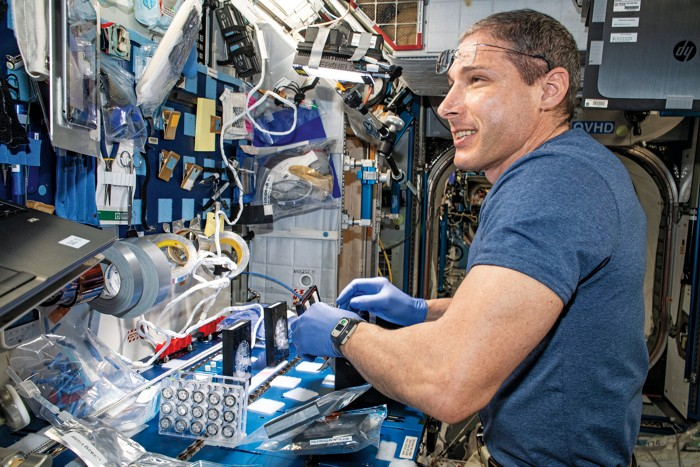
Ensuring the stability of medications in space is a significant concern. Space radiation and microgravity can affect drug potency and shelf life. Understanding these chemical changes is essential for maintaining astronaut health.
Radiation Protection
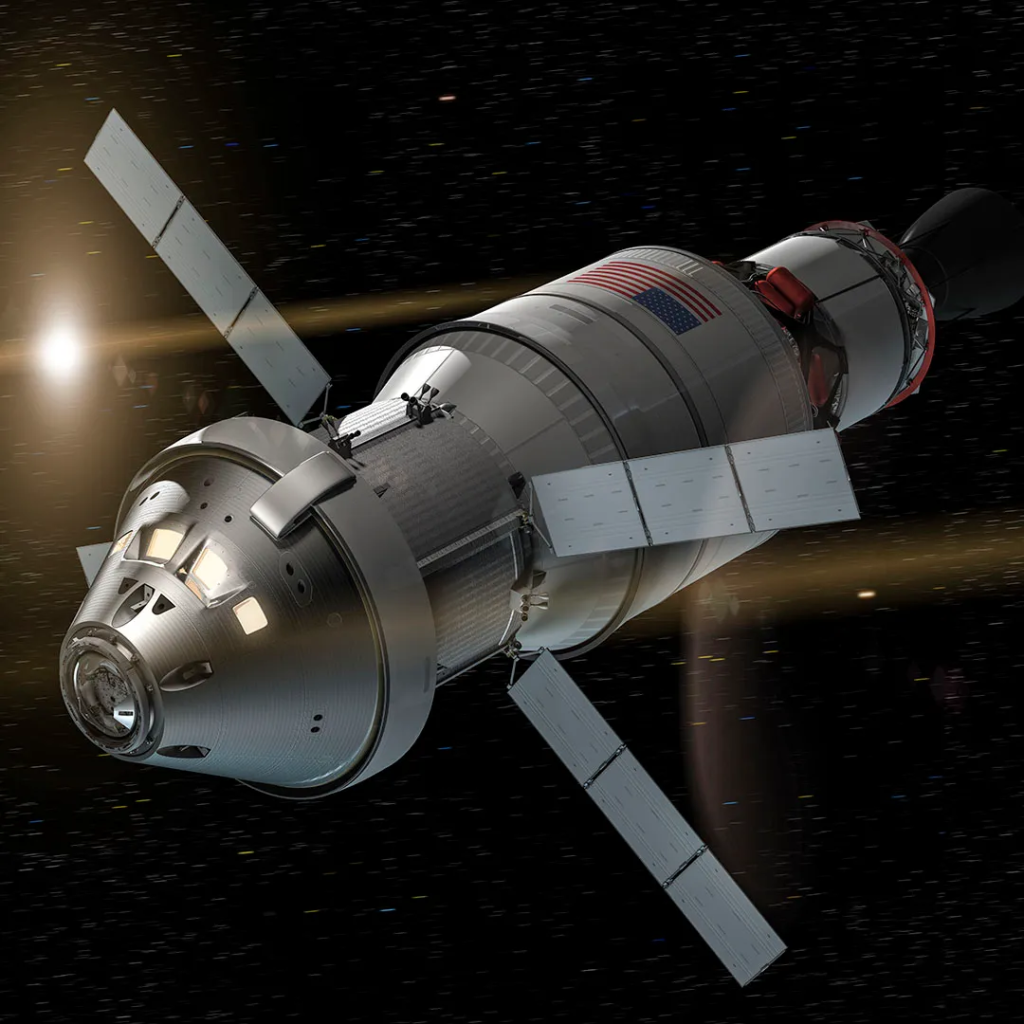
Protecting astronauts from space radiation involves the use of chemical compounds. Developing pharmaceuticals and materials that can mitigate radiation effects is a critical area of research.
7. Astrobiology: Exploring Life’s Chemical Foundations
Chemical Evolution

Studying the chemical processes that might lead to the formation of life on other planets (prebiotic chemistry) provides insights into the potential for extraterrestrial life. This research helps in understanding how life could arise in different environmental conditions.
Biochemistry of Extremophiles

Investigating how extremophiles (organisms that thrive in extreme environments) survive through unique biochemical processes can inform hypotheses about life in the harsh conditions of space.
Chemistry is undeniably integral to the design, operation, and success of space missions. It underpins the development of technologies that ensure the safety, sustainability, and advancement of space exploration. From propelling spacecraft to sustaining human life in space, chemistry’s contributions are vast and indispensable. As we continue to push the frontiers of space exploration, the role of chemistry will remain central to our quest for knowledge and discovery.
By Isuru Madusanka
