
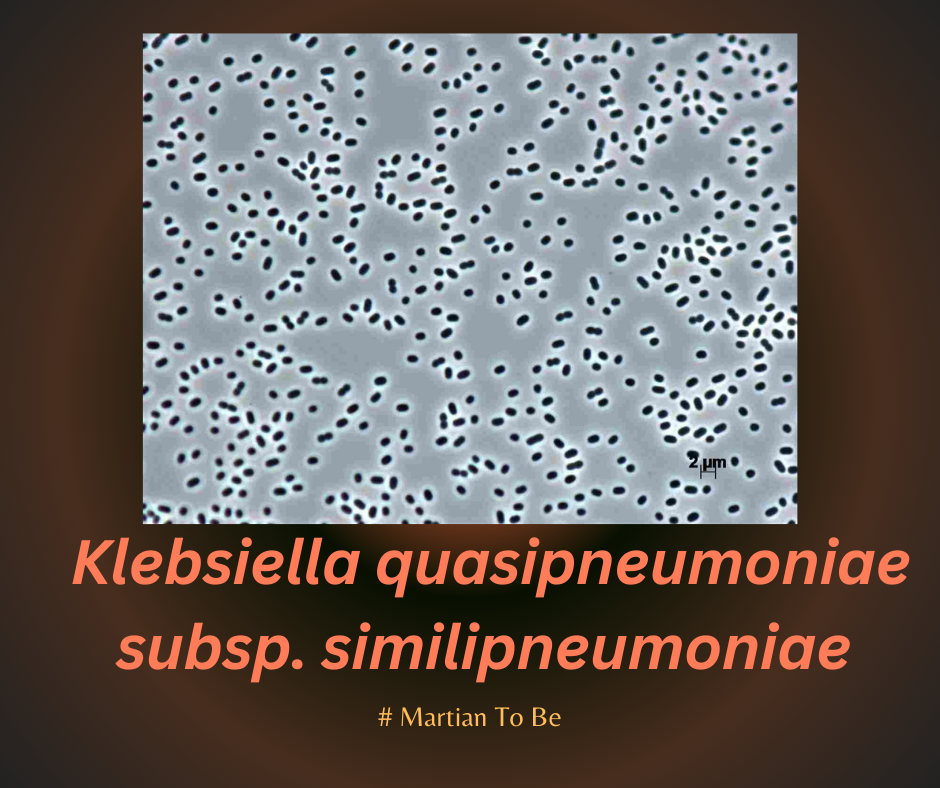
Klebsiella quasipneumoniae subsp. similipneumoniae is a Gram-negative, encapsulated bacterium that is closely related to Klebsiella pneumoniae, a well-known human pathogen. However, K. quasipneumoniae subsp. similipneumoniae was only recently recognized as a distinct species, and its clinical significance is still being investigated.
K. quasipneumoniae subsp. similipneumoniae has been isolated from a variety of human clinical specimens, including blood, sputum, urine, and cerebrospinal fluid. It has been associated with a range of infections, including pneumonia, urinary tract infections, and bloodstream infections.
The virulence factors of K. quasipneumoniae subsp. similipneumoniae are not fully understood, but they are thought to be similar to those of K. pneumoniae. These include a capsule that protects the bacterium from the host immune system, pili that allow the bacterium to adhere to host cells, and siderophores that allow the bacterium to acquire iron, an essential nutrient.
K. quasipneumoniae subsp. similipneumoniae is a major concern because it is often resistant to multiple antibiotics, including carbapenems, which are considered to be last-line drugs for treating serious infections. This makes it difficult to treat infections caused by this bacterium.
Researchers are still learning about the epidemiology, pathogenicity, and treatment of K. quasipneumoniae subsp. similipneumoniae. However, it is clear that this is an emerging pathogen that poses a significant threat to public health.
 Genetic Distinctions
One of the primary factors that set Klebsiella quasipneumoniae subsp. similipneumoniae apart from other Klebsiella species is its genetic makeup. This subspecies exhibits specific genetic markers that differentiate it from Klebsiella pneumoniae and other Klebsiella strains. These genetic distinctions have piqued the interest of researchers, as they offer valuable insights into the evolutionary history and adaptations of this subspecies.
 Phenotypic Characteristics
In addition to its genetic differences, Klebsiella quasipneumoniae subsp. similipneumoniae displays unique phenotypic characteristics. This includes variations in its morphology, metabolic pathways, and antibiotic resistance profiles. These traits make it an intriguing subject of study, particularly in understanding the development of antibiotic resistance and the potential impact on clinical treatments.
 Clinical Manifestations
The clinical manifestations of infections caused by K. quasipneumoniae subsp. similipneumoniae are similar to those caused by K. pneumoniae. This can include:
 Pneumonia: Symptoms of pneumonia may include fever, cough, shortness of breath, and chest pain.
Urinary tract infections: Symptoms of urinary tract infections may include pain or burning during urination, frequent urination, and cloudy or blood-tinged urine.
Bloodstream infections: Symptoms of bloodstream infections may include fever, chills, rigors, and confusion.
 Diagnosis
K. quasipneumoniae subsp. similipneumoniae can be diagnosed by culturing clinical specimens, such as blood, sputum, urine, or cerebrospinal fluid. The bacterium can also be identified using molecular methods, such as PCR.
 Treatment
K. quasipneumoniae subsp. similipneumoniae is often resistant to multiple antibiotics, including carbapenems. Therefore, it is important to perform antibiotic susceptibility testing to determine the best course of treatment.
In some cases, K. quasipneumoniae subsp. similipneumoniae infections can be treated with other antibiotics, such as cephalosporins or fluoroquinolones. However, in other cases, the infection may be difficult to treat, and may require hospitalization.
Prevention
There is no vaccine available to prevent infection with K. quasipneumoniae subsp. similipneumoniae. However, good hygiene practices, such as washing your hands frequently and avoiding contact with sick people, can help to reduce your risk of infection.
Microbiological Research
The study of Klebsiella quasipneumoniae subsp. similipneumoniae has broader implications for microbiology and bacterial evolution. By examining the genetic and phenotypic characteristics of this subspecies, scientists gain a better understanding of bacterial diversity, adaptation, and evolution. This knowledge contributes to the overall understanding of microbial life on Earth.
Klebsiella quasipneumoniae subsp. similipneumoniae, though less recognized than its close relatives, holds a unique place in the realm of microbiology and clinical research. Its distinct genetic and phenotypic characteristics make it a subject of growing interest, offering valuable insights into bacterial diversity, evolution, and potential clinical implications. As research in this field continues to evolve, our understanding of this intriguing subspecies will undoubtedly expand, shedding light on the remarkable world of bacterial microorganisms.
We value your ideas and feel free to comment below.
Martian To Be Follow us 
