
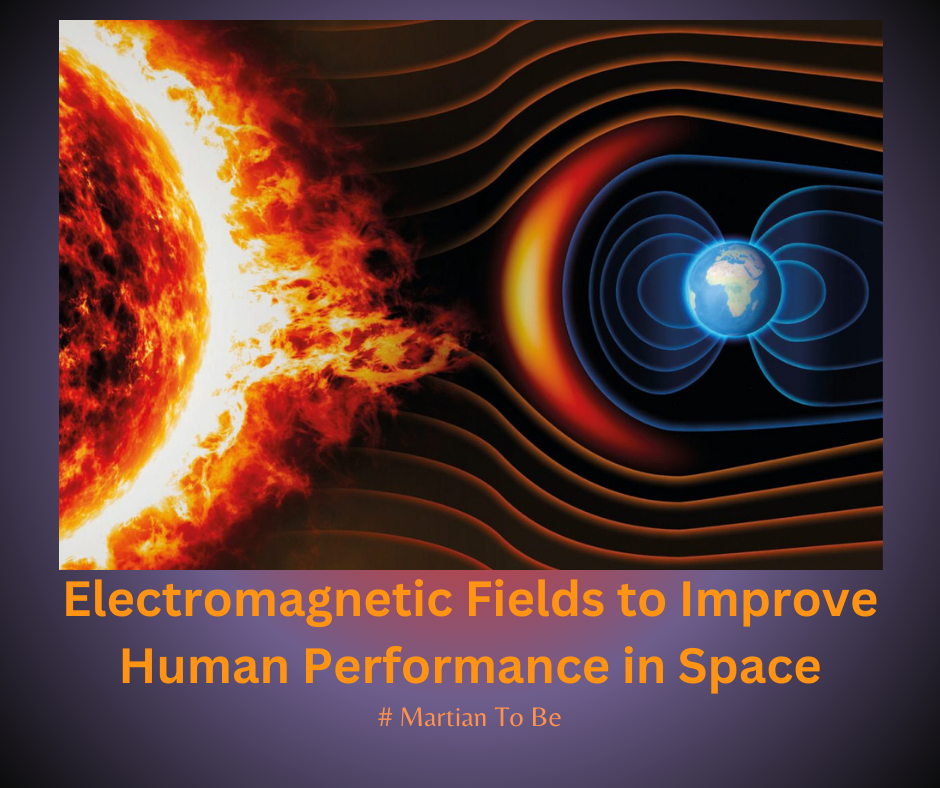
Electric and magnetic fields are two components of electromagnetic fields (EMFs). Electric fields are created by differences in voltage, while magnetic fields are created by electric current. The strength of an electric field is proportional to the voltage difference, while the strength of a magnetic field is proportional to the electric current. Natural sources of EMFs
EMFs are present everywhere in our environment, but they are invisible to the human eye. Natural sources of EMFs include: Thunderstorms
The build-up of electric charges in the atmosphere during thunderstorms creates electric fields.The Earth’s magnetic field
The Earth’s magnetic field is generated by the movement of molten iron in the Earth’s core.Cosmic rays
Cosmic rays are high-energy particles that originate from outside the solar system.
Human-made sources of EMFsIn addition to natural sources, there are also a number of human-made sources of EMFs, including:Electricity
The electricity that comes out of every power socket creates low-frequency EMFs.Electronic devices
Electronic devices such as televisions, radios, and mobile phones emit EMFs.Medical imaging
Medical imaging procedures such as X-rays and MRI scans use EMFs. The electromagnetic spectrum
The electromagnetic spectrum is a continuous range of frequencies of EMFs. The different frequencies of EMFs are classified into different types, including: Radio waves
Radio waves have the lowest frequencies and the longest wavelengths. They are used for communication, broadcasting, and radar.Microwaves
Microwaves have higher frequencies than radio waves and shorter wavelengths. They are used for cooking, communication, and medical imaging.Infrared radiation
Infrared radiation has even higher frequencies and shorter wavelengths than microwaves. It is emitted by warm objects and can be felt as heat.Visible light
Visible light is the part of the electromagnetic spectrum that we can see. It has frequencies that range from about 400 to 700 terahertz (THz).Ultraviolet radiation
Ultraviolet radiation has higher frequencies and shorter wavelengths than visible light. It can cause sunburn and skin cancer.X-rays
X-rays have even higher frequencies and shorter wavelengths than ultraviolet radiation. They are used for medical imaging and industrial radiography.Gamma rays
Gamma rays have the highest frequencies and shortest wavelengths of all EMFs. They are emitted by radioactive materials and can be very harmful to living tissue. Electromagnetic fields (EMFs) can be used to improve human performance in space.
 Reduce the effects of microgravity
Microgravity is the absence of gravity, which can cause a number of problems for astronauts, including muscle loss, bone loss, and cardiovascular problems. EMFs can be used to simulate gravity, which can help to reduce these problems.Protect astronauts from radiation
Astronauts are exposed to high levels of radiation in space, which can increase their risk of cancer. EMFs can be used to shield astronauts from radiation, reducing their exposure.Improve sleep quality
Astronauts often have trouble sleeping in space, which can lead to fatigue and other problems. EMFs can be used to improve sleep quality, helping astronauts to get the rest they need.Boost cognitive performance
EMFs can be used to improve cognitive performance, such as memory and attention. This could be helpful for astronauts who need to make quick decisions or solve problems in space. Here are some specific examples of how EMFs are being used to improve human performance in space:
 Low-Frequency Magnetic Field Generator (LFMF)
NASA is currently testing a device called the LFMF to reduce the effects of microgravity on astronauts. The LFMF produces a low-frequency magnetic field that is thought to stimulate the production of bone-building cells.Radiation Protection Shielding Experiment (RPSE)
The RPSE is a project that is developing new ways to shield astronauts from radiation. The RPSE is using EMFs to create a new type of radiation shield that is more effective than traditional materials.Sleep Wake Experiment (SWAN)
The SWAN is a study that is investigating the use of EMFs to improve sleep quality in astronauts. The SWAN is using a variety of EMFs to see if they can help astronauts to fall asleep more quickly, sleep more deeply, and wake up feeling more refreshed.
These are just a few examples of how EMFs are being used to improve human performance in space. As research in this area continues, we can expect to see even more innovative applications of EMFs in the future.
It is important to note that the use of EMFs in space is still in its early stages, and there is still much that we do not know about the potential risks and benefits. However, the early results are promising, and EMFs could potentially play a significant role in future space missions. Safety guidelines should be kept in mind when using EMFs in space.
 The intensity of the EMF should be carefully controlled.Too much exposure to EMFs can be harmful, so it is important to make sure that the intensity is safe.The type of EMF should be chosen carefully.Not all EMFs are created equal, and some types of EMFs may be more harmful than others.The duration of exposure should be limited.Even safe levels of EMF exposure can be harmful if the exposure is too long.The astronauts should be monitored for any adverse effects.Even if the EMF exposure is safe, it is still important to monitor the astronauts for any adverse effects.
By following these safety guidelines, we can help to ensure that the use of EMFs in space is safe and effective.
We value your ideas and feel free to comment below.
