
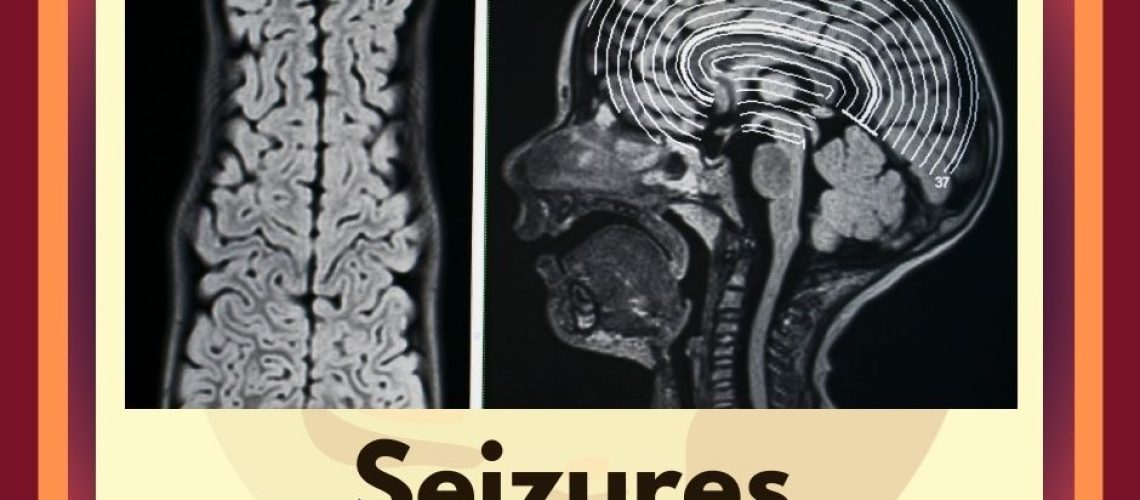
In the realm of neurological health, seizures stand as a complex and often misunderstood phenomenon. Defined as bursts of uncontrolled electrical activity between brain cells, seizures can manifest in various forms, each with its own distinct characteristics and implications for those affected.
 Types of Seizures
Seizures are broadly categorized into two main types: focal and generalized.
1. Focal Seizures (Partial Seizures): These seizures originate in a specific area of the brain. They can be further divided into:
Simple Focal Seizures: These seizures do not impair consciousness and may cause unusual sensations or involuntary movements.
Complex Focal Seizures: These seizures alter consciousness or awareness, leading to behaviors such as repetitive movements or staring.
2. Generalized Seizures: These seizures involve widespread electrical disturbances across both sides of the brain simultaneously. They include:
Absence Seizures: Formerly known as petit mal seizures, these brief episodes cause a person to stare into space or blink repetitively.
Tonic Seizures: These seizures cause stiffening of muscles, usually in the back, arms, and legs.
Clonic Seizures: Characterized by repetitive, jerking muscle movements.
Tonic-Clonic Seizures: Formerly known as grand mal seizures, these are the most intense type, involving loss of consciousness, body stiffening (tonic phase), followed by rhythmic jerking (clonic phase).
 Causes of Seizures
Seizures can be triggered by various factors, including:
Epilepsy: A chronic neurological disorder characterized by recurrent seizures.
Brain Injury or Trauma: Such as from a head injury, stroke, or infection.
Brain Tumors: Abnormal growths that can disrupt normal brain activity.
Genetic Factors: Some types of seizures have a genetic component.
Metabolic Disorders: Imbalances in electrolytes, blood sugar levels, or other metabolic factors.
 Treatment and Management
Effective treatment of seizures depends on the underlying cause and type. Options include:
Medications: Antiepileptic drugs can help control seizures for many people with epilepsy.
Surgery: In cases where seizures originate from a specific, identifiable area of the brain, surgery may be considered to remove or disconnect that area.
Lifestyle Modifications: Avoiding triggers, maintaining a healthy lifestyle, and adhering to medication schedules can help manage seizures effectively.
 Living with Seizures
Living with seizures involves a multidimensional approach, combining medical management with emotional and social support. Education and awareness play crucial roles in reducing stigma and improving quality of life for individuals with epilepsy and other seizure disorders. Supportive communities and advocacy efforts continue to empower those affected by seizures, fostering resilience and hope in the face of neurological challenges.
As research continues to advance and understanding deepens, the journey towards better seizure management and improved outcomes remains promising. By fostering empathy, awareness, and scientific progress, we can create a world where individuals with seizures are fully supported and empowered to live their lives to the fullest.
We value your ideas and feel free to comment below.
Martian To Be follow us 
#mars#SpaceX#seizures
