
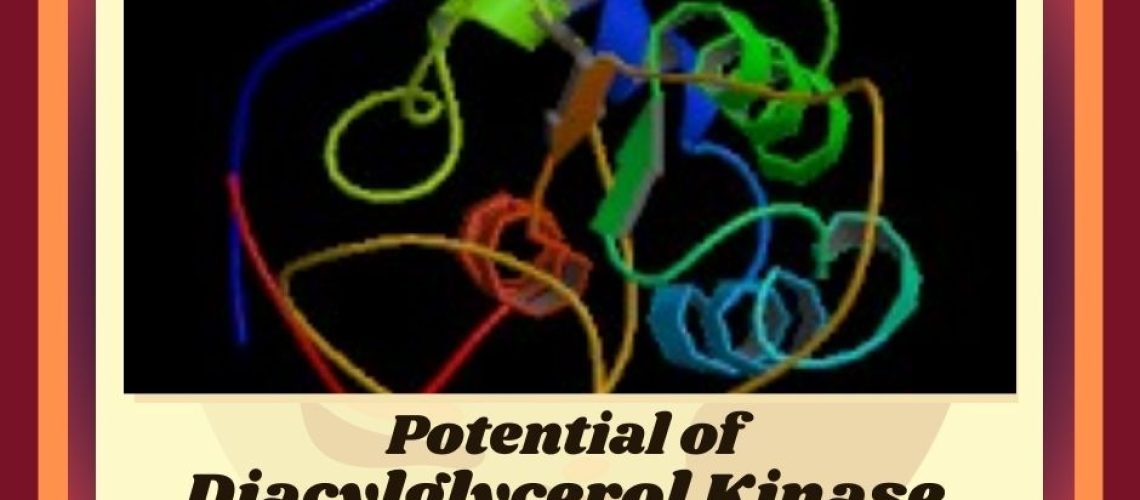
Diacylglycerol kinase (DGK) might not be a household name, but within the realm of cellular biology and biochemistry, it stands as a pivotal enzyme with far-reaching implications. As researchers continue to uncover the complexities of cellular signaling pathways, DGK is emerging as a key player with significant advantages for scientific investigation and potential therapeutic applications.
 What is Diacylglycerol Kinase?
DGK is an enzyme responsible for the phosphorylation of diacylglycerol (DAG) to produce phosphatidic acid (PA). Both DAG and PA are critical lipid signaling molecules involved in various cellular processes, from growth and differentiation to membrane dynamics and immune responses. By regulating the balance between DAG and PA, DGK indirectly influences numerous signaling pathways and cellular functions.
 The Crucial Roles of DGK in Cellular Signaling
 Signal Transduction Modulation: DAG serves as a second messenger that activates protein kinase C (PKC), a family of enzymes involved in controlling the function of other proteins through the phosphorylation of hydroxyl groups of serine and threonine amino acid residues. By converting DAG to PA, DGK modulates PKC activity and thus has a downstream effect on various cellular processes, including cell growth, differentiation, and apoptosis.
Membrane Dynamics and Vesicle Trafficking: PA, the product of the DGK-catalyzed reaction, plays a role in membrane curvature and vesicle trafficking. This is essential for processes like endocytosis and exocytosis, which are critical for nutrient uptake, neurotransmitter release, and other cellular functions.
Immune Response Regulation: DGK is particularly important in the immune system. It regulates the function of T cells and other immune cells, impacting immune responses. This makes DGK a potential target for modulating immune reactions, which can be beneficial in treating autoimmune diseases and enhancing immunotherapy.
 Advantages of DGK in Research
 Targeting Specific Signaling Pathways: DGK’s role in converting DAG to PA makes it an ideal target for studying specific signaling pathways. By manipulating DGK activity, researchers can observe the effects on downstream signaling events, providing insights into the molecular mechanisms underlying various cellular processes.
Isoform-Specific Functions: There are multiple isoforms of DGK, each with distinct regulatory domains and tissue-specific functions. This diversity allows researchers to study isoform-specific roles and develop targeted therapies that modulate specific DGK isoforms, reducing potential side effects.
Implications in Disease Research: Abnormal DGK activity has been implicated in several diseases, including cancer, neurological disorders, and immune system dysfunctions. Understanding DGK’s role in these conditions can lead to the development of novel therapeutic strategies. For instance, targeting DGK in cancer cells may inhibit abnormal cell proliferation and survival.
Drug Development Potential: Given its central role in regulating key signaling molecules, DGK is a promising target for drug development. Inhibitors or activators of DGK could be designed to restore normal signaling in diseases where DGK activity is dysregulated. This opens up new avenues for creating effective treatments for a range of conditions.
 Current Research and Future Directions
Recent studies have highlighted the therapeutic potential of targeting DGK. For example, research into DGK inhibitors has shown promise in enhancing the effectiveness of immune checkpoint inhibitors in cancer therapy. Additionally, DGK modulators are being explored for their potential in treating neurological disorders like bipolar disorder and epilepsy.
Looking forward, the continued investigation into DGK’s structure, regulation, and function will undoubtedly yield new insights. Advanced techniques in molecular biology, such as CRISPR-Cas9 gene editing and high-resolution imaging, will further our understanding of how DGK contributes to cellular homeostasis and disease pathology.
Diacylglycerol kinase stands at the crossroads of numerous cellular pathways, making it a linchpin in the intricate network of cellular signaling. Its ability to regulate critical signaling molecules like DAG and PA positions it as a valuable target for research and therapeutic intervention. As we continue to unravel the complexities of DGK’s functions and its role in disease, the potential for groundbreaking discoveries and innovative treatments remains immense. For researchers and clinicians alike, DGK offers a promising frontier in the quest to understand and manipulate cellular processes for the betterment of human health.
We value your ideas and feel free to comment below.
Martian To Be follow us 
#mars#SpaceX
